MyRepublic Roaming
Travel • Conversion • Optimization
13%
INCREASED CONVERSION RATE
4,000+
TRAVEL eSIM & POWI PURCHASES
56%
MONTH-ON-MONTH ESIM GROWTH
COMPANY
MyRepublic
MY ROLE
User Researcher & Designer
Duration
3 months
Overview
MyRepublic wanted to revamp its roaming products and the in-app purchase experience to drive conversion. The revamp introduced four new categories — 24-hour, 7-day, 30-day, and pay-per-use packages.
The company was also weighing whether to introduce Travel eSIM and Pocket WiFi — but demand for these products was unvalidated. My job was to answer both questions: fix the journey, and find out whether eSIM was worth launching at all.
KEY OBJECTIVES
01 Optimize the purchase journey
Customers should be able to purchase our roaming plans quickly and intuitively
02 Increase conversion rate
Identify and introduce roaming plans that match what customers actually need
03 Validate demand for eSIM
Gauge appetite for travel eSIMs before committing to launch.
Why revamp
roaming?
In-base survey with 1,599 respondents
Q: I love MyRepublic because….
Value for money
Loads of data
54%
Easy to sign up
Roaming Rates
9%
Q: What are some new features or services you’ll like MyRepublic to introduce?
Affordable roaming
Cashback / Shopping
72%
Vacation Deals
Something for gamers
When we asked what customers love about MyRepublic, "roaming rates" scored just 9% — against 54% for value-for-money.
When we asked what they wanted us to introduce, 72% said affordable roaming, the top answer by a wide margin.
The gap between those two numbers was the business case: customers wanted roaming from us and weren't getting it.
What are the
market rates?
Competitor analysis
I benchmarked our eSIM pricing against two telcos and a dedicated eSIM provider across four destinations (Malaysia, Thailand, Asia, Global). Our plans were among the most expensive in the market — in the "Asia" category, our $30/GB compared to as low as $6/GB elsewhere.
This confirmed the survey signal: the problem wasn't just findability, it was price competitiveness.
MyRepublic
Telco 1
Telco 2
eSIM 1
Malaysia
Malaysia
$5.90/GB
$6/GB
$15 / 12GB
$12 / 10GB
Thailand
Thailand
$5.90/GB
$7/GB
$15 / 12GB
$10 / unlimited
Asia
Asia
$30/GB
$18 / GB
$6/GB
$33 / 10GB
Global
Global
$40/GB
$40/GB
$30 / 4GB
$19 / 3GB
Current UX Issues
Internal Focus group testing
I ran an internal focus group on the existing journey and scored issues by severity. Three critical problems emerged:
KEY ISSUES
The entrance ("Manage roaming") isn't visible and assumes you already have a roaming plan — a new buyer would never tap "boost your roaming data".
No search — users expect to search by country first
Current plans priced well above market eSIMs
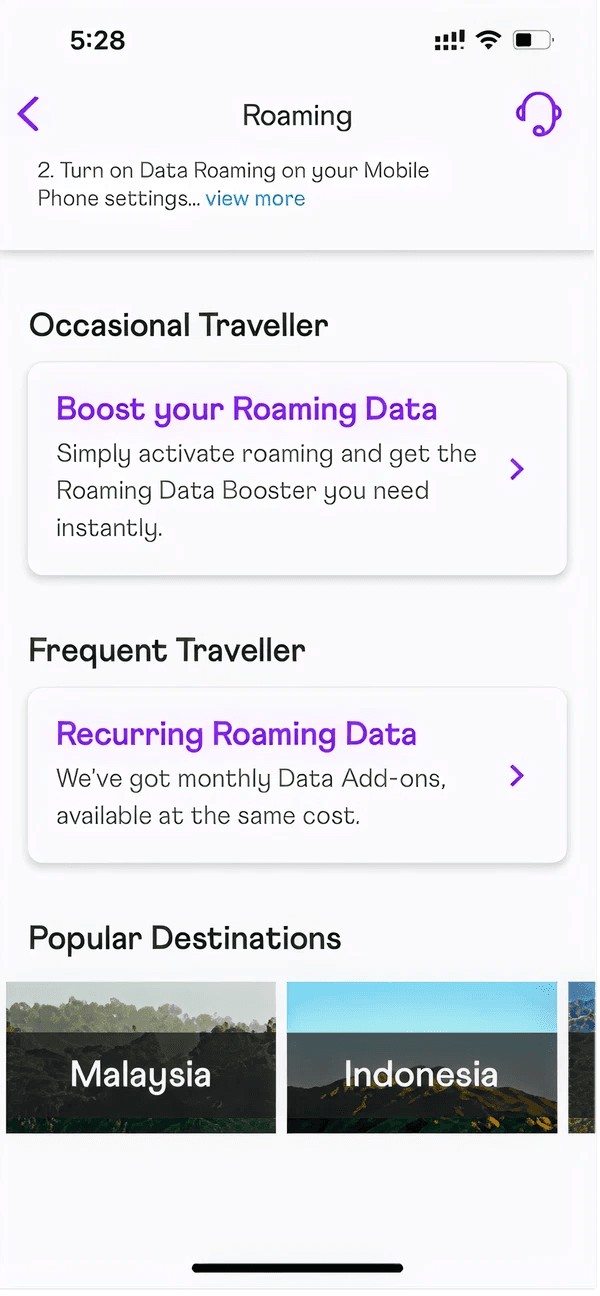
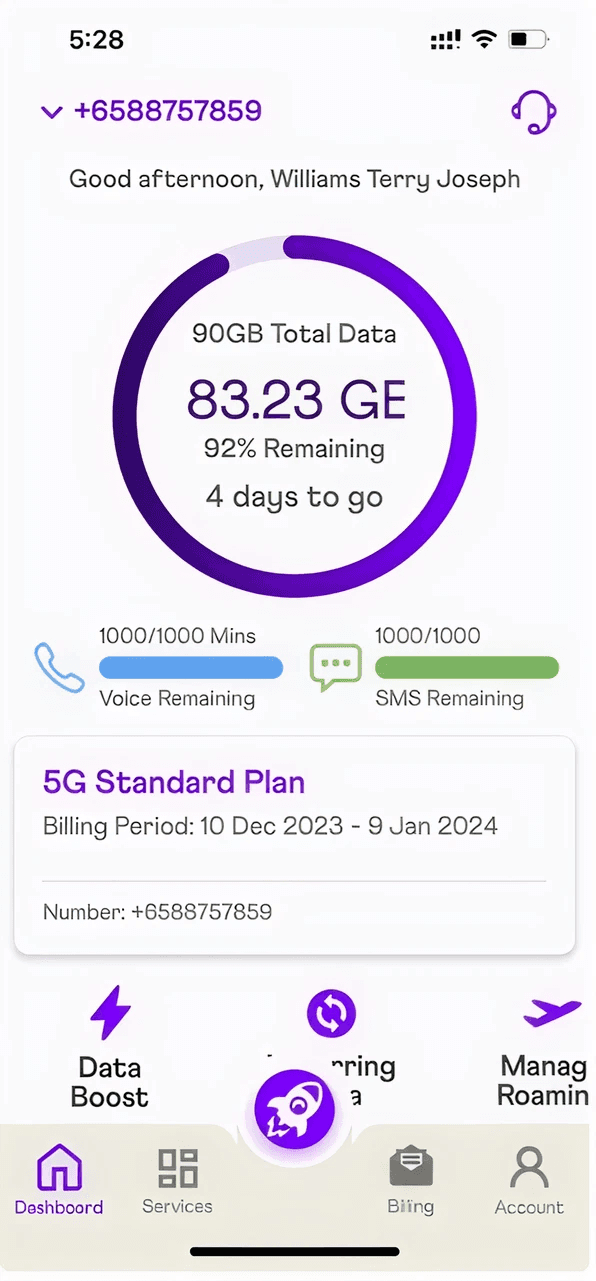
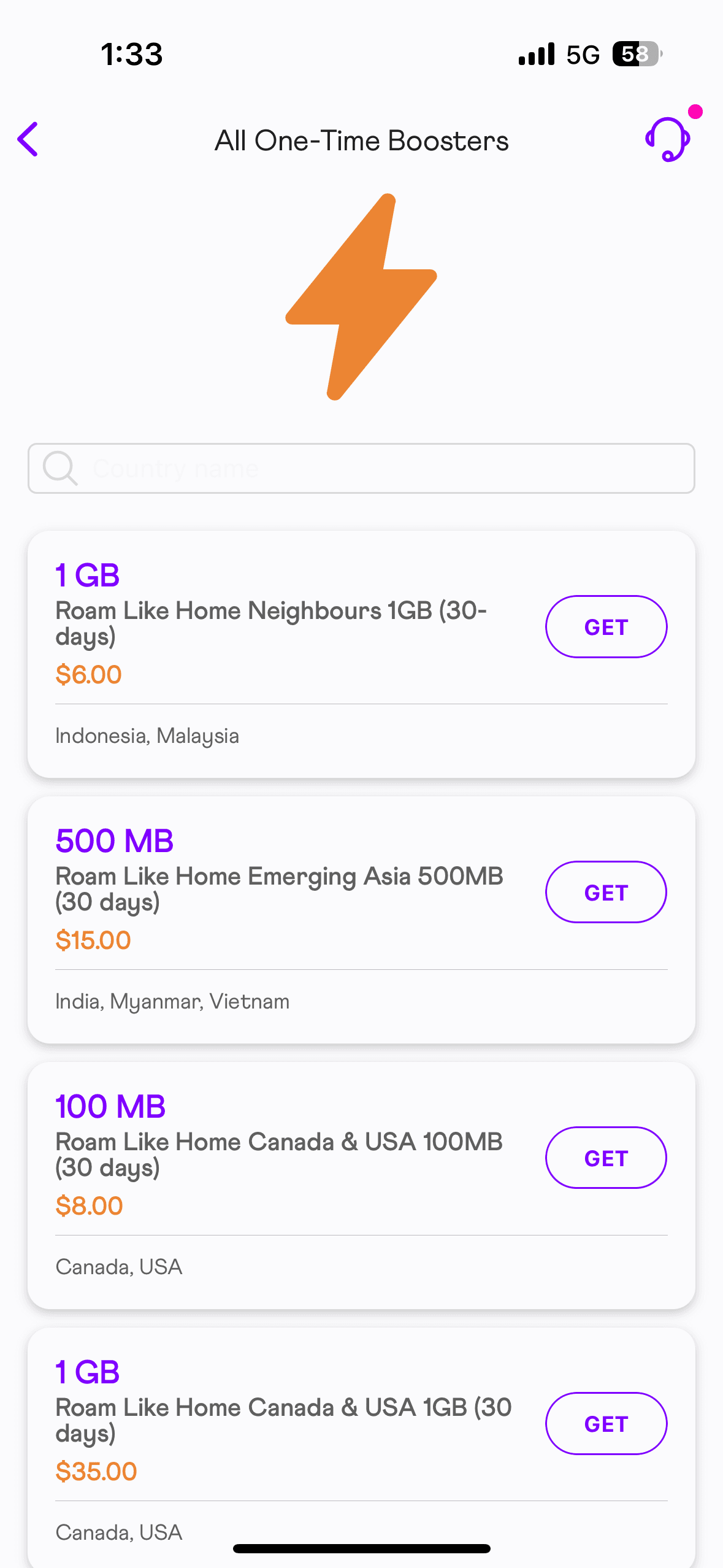
Current entrance via “manage roaming” does not have enough visibility
-15
As a user, if I do not have an existing roaming data plan, I would not click on “boost your roaming data”
-10
I would expect to see a search bar at the top, which would allow me to search by countries
-10
I find the current plans available too expensive as compared to eSIMs
-10
Insights from Internal Focus group session
01
01
Customer Analysis
We conducted an in-base survey, with 1,599 respondents, to find out what they love and disliked about MyRepublic generally. We purposely included two questions that has roaming in it to get a general idea on how attractive our packages are.
02
02
Market Analysis
I benchmarked our eSIM pricing against two telcos and a dedicated eSIM provider across four destinations (Malaysia, Thailand, Asia, Global). Our plans were among the most expensive in the market — in the "Asia" category, our $30/GB compared to as low as $6/GB elsewhere.
This confirmed the survey signal: the problem wasn't just findability, it was price competitiveness.
03
03
Constraints

PRODUCT MARKETING
Our native roaming data comes from a larger provider, so we can't flex pricing. Offering cheaper roaming meant engaging a third-party eSIM provider — and redirecting users to their website to complete purchase.

NETWORK TEAM
Customers would need to manually switch to the overseas data provider to receive roaming data.
TRADE OFF
The redirect breaks the in-app journey I'd just optimized. We accepted it because it was the only path to market-competitive pricing within the timeline — but I treated the handoff and post-purchase experience as first-class design problems rather than afterthoughts (see Post-Purchase below).
04
04
Alignment
I mapped business goals (plans that convert, protected margins, visibility), user goals (cheapest plans, network stability, easy setup), and market trends (eSIMs widely available and cheapest; telcos bundling roaming into plans). All three pointed the same direction:
Research
Q: I love MyRepublic because
Easy to sign up
Value for money
Loads of data
54%
Roaming Rates
9%
Easy to sign up
Value For Money
Loads of data
Roaming Rates
Q: What are some new features or services you’ll like to see?
Afforadable Roaming
Cashback / Rewards
Travel Deals
Gamer Related
Cheapest roaming plans
Network stability
Ease of set--up
Market
eSIMs are readily available
eSIMS are cheapest in the market
Telcos are bundling roaming data
into mobile plans
Business Goals
User Goals
Introduce roaming plans that convert
manage profit margins
Improve visibility of our roaming plans
Solution:
INTRODUCE
TRAVEL eSIMs
Alignment
I mapped business goals (plans that convert, protected margins, visibility), user goals (cheapest plans, network stability, easy setup), and market trends (eSIMs widely available and cheapest; telcos bundling roaming into plans). All three pointed the same direction:
Cheapest roaming plans
Network stability
Ease of set--up
Market
eSIMs are readily available
eSIMS are cheapest in the market
Telcos are bundling roaming data
into mobile plans
Business Goals
User Goals
Introduce roaming plans that convert
manage profit margins
Improve visibility of our roaming plans
Solution:
INTRODUCE
TRAVEL eSIMs
Constraints
PRODUCT MARKETING
Our native roaming data comes from a larger provider, so we can't flex pricing. Offering cheaper roaming meant engaging a third-party eSIM provider — and redirecting users to their website to complete purchase.
NETWORK TEAM
Customers would need to manually switch to the overseas data provider to receive roaming data.
TRADE OFF
The redirect breaks the in-app journey I'd just optimized. We accepted it because it was the only path to market-competitive pricing within the timeline — but I treated the handoff and post-purchase experience as first-class design problems rather than afterthoughts (see Post-Purchase below).
Usability
Usability testing with 5 participants
Usability testing helps us identify issues throughout the journey before going-to-market
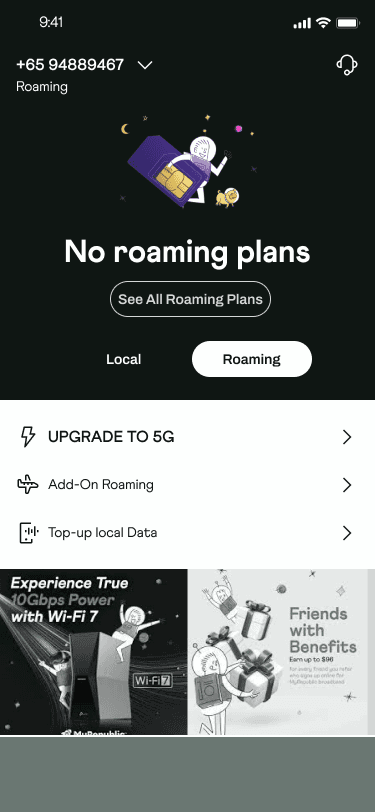
What went well
Average rating for the testing session is 6.2/7
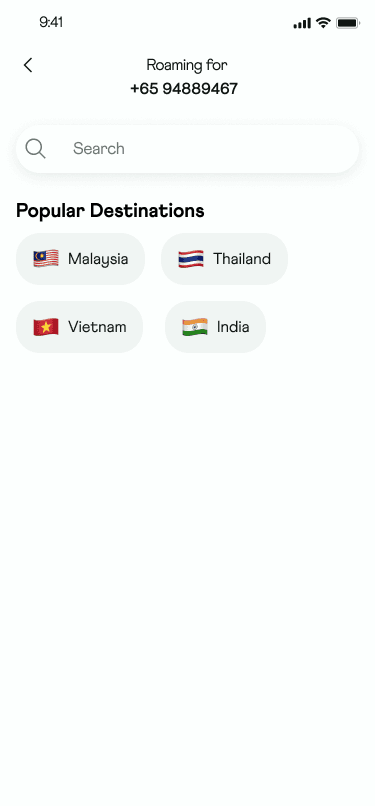
Users quickly found the new entrance and appreciated the recommendation engine ("popular destinations").
Users felt buying from MyRepublic took fewer steps than standalone travel eSIM apps; checkout was smooth end-to-end.
Overall, the navigation is smooth and users were able to checkout easily
What could be better
Users wanted larger data options (3GB / 5GB / 10GB per day).
Checkout needed start date & time details.
Price-sensitive users said they'd pick Travel eSIM over native roaming — cannibalization risk we flagged to the business.
Pay-As-You-Roam should be opt-in only, with active-state notifications so users are never blindsided by charges.
Ideation
Wireframes - updated onboarding flow
What could be better
Users wanted larger data options (3GB / 5GB / 10GB per day).
Checkout needed start date & time details.
Price-sensitive users said they'd pick Travel eSIM over native roaming — cannibalization risk we flagged to the business.
Pay-As-You-Roam should be opt-in only, with active-state notifications so users are never blindsided by charges.
Reviewing the current onboarding process (Psych Framework)
What went well
Average rating for the testing session is 6.2/7
Users quickly found the new entrance and appreciated the recommendation engine ("popular destinations").
Users felt buying from MyRepublic took fewer steps than standalone travel eSIM apps; checkout was smooth end-to-end.
Overall, the navigation is smooth and users were able to checkout easily
“I appreciate being able to set up my Adhans immediately. But overall, the onboarding is long"
“I appreciate being able to set up my Adhans immediately. But overall, the onboarding is long"
01
01
Evaluating exisiting experience
We conducted an in-base survey, with 1,599 respondents, to find out what they love and disliked about MyRepublic generally. We purposely included two questions that has roaming in it to get a general idea on how attractive our packages are.
02
02
Evaluating exisiting experience
We conducted an in-base survey, with 1,599 respondents, to find out what they love and disliked about MyRepublic generally. We purposely included two questions that has roaming in it to get a general idea on how attractive our packages are.
Introducing MyRepublic's Travel eSIM
We launched both products, with MyRepublic redirecting users from our app to the third-party provider's site. Product cards, pricing tiers, and in-app listings were designed to make the value proposition scannable in one glance: network type, daily data, minimum duration, from-price.

Travel eSIM
4G • Data refilled daily • Min. 3 days
1GB/Day
from
$2.90/Day
3GB/Day
from
$3.90/Day
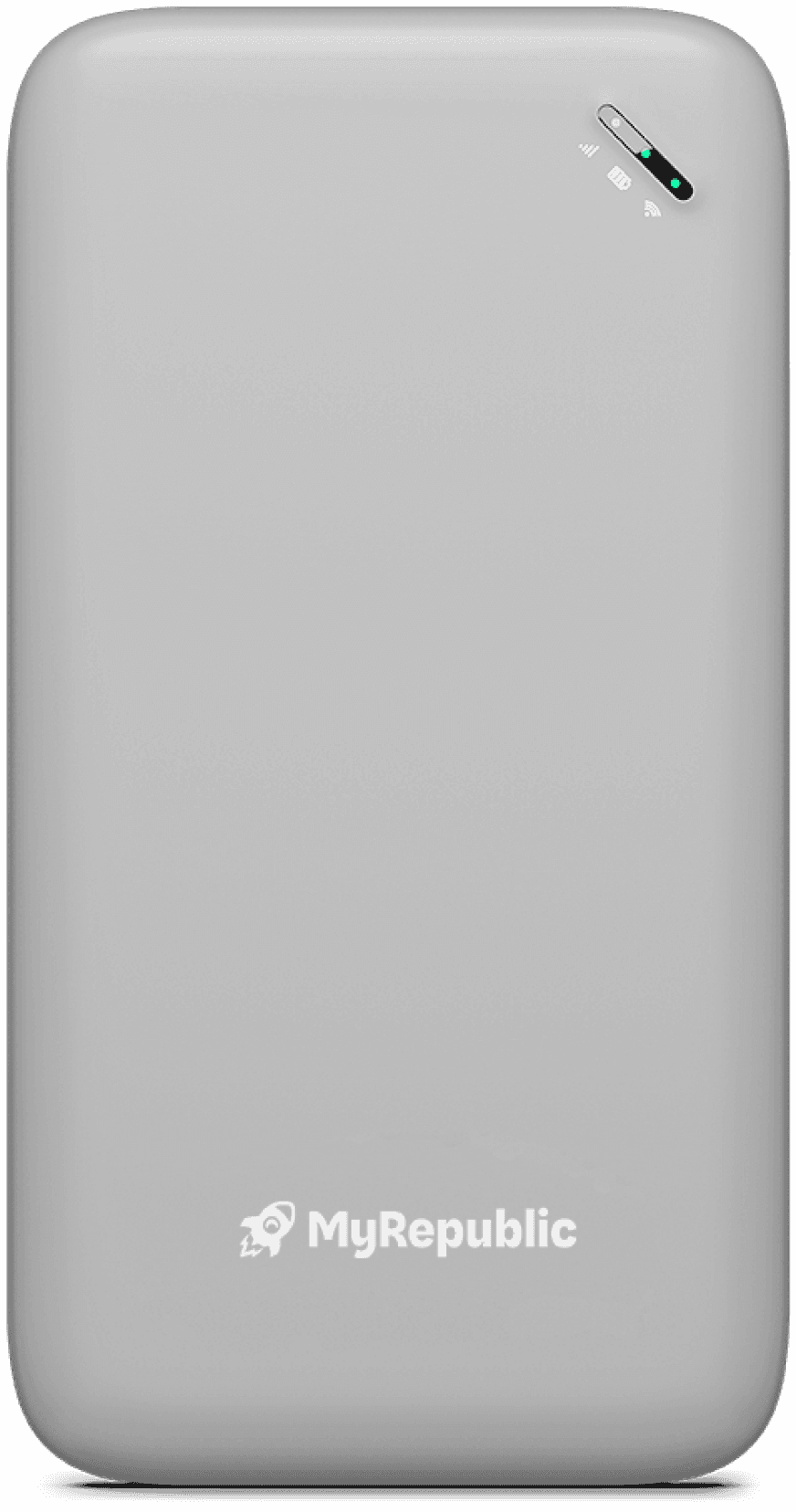
Pocket Wi-Fi
4G • Connect up to 8 devices • Min. 5 days
5GB/Day
from
$6.90/Day
10GB/Day
from
$9.90/Day
MyRepublic’s Travel eSIM introduction
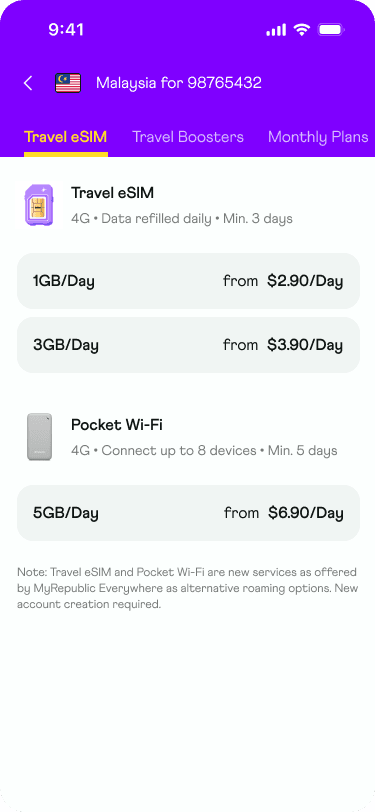
In-app product listing for eSIM and Pocket Wi-Fi
A 3-step Purchase Journey
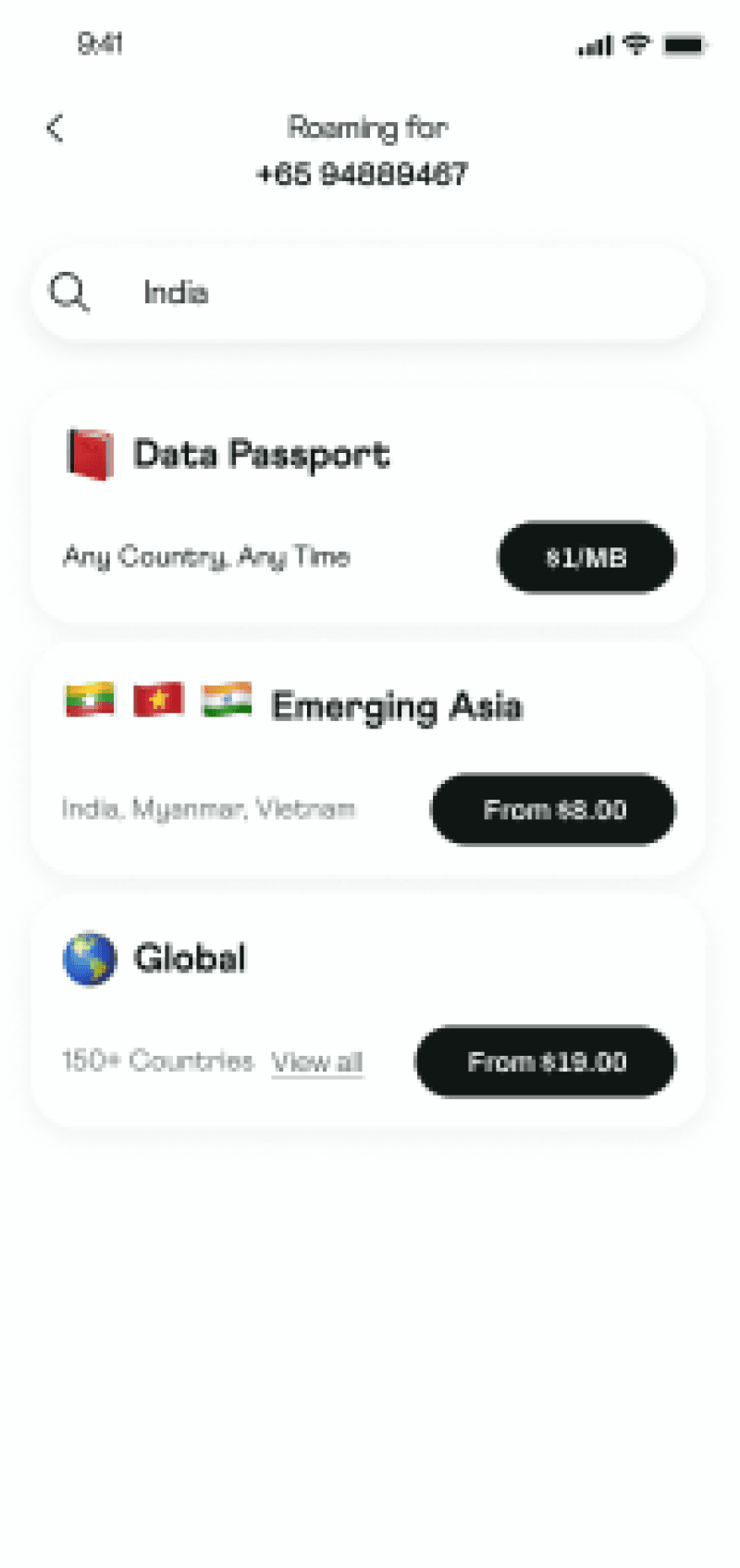
To improve conversion, we want to design a journey that is intuitive and as short as possible. This means make the entrance on the home screen as clear as possible while following the customer’s expected journey of → Searching by country, → viewing available plans, → checking out.
01
Find roaming plans
with ease
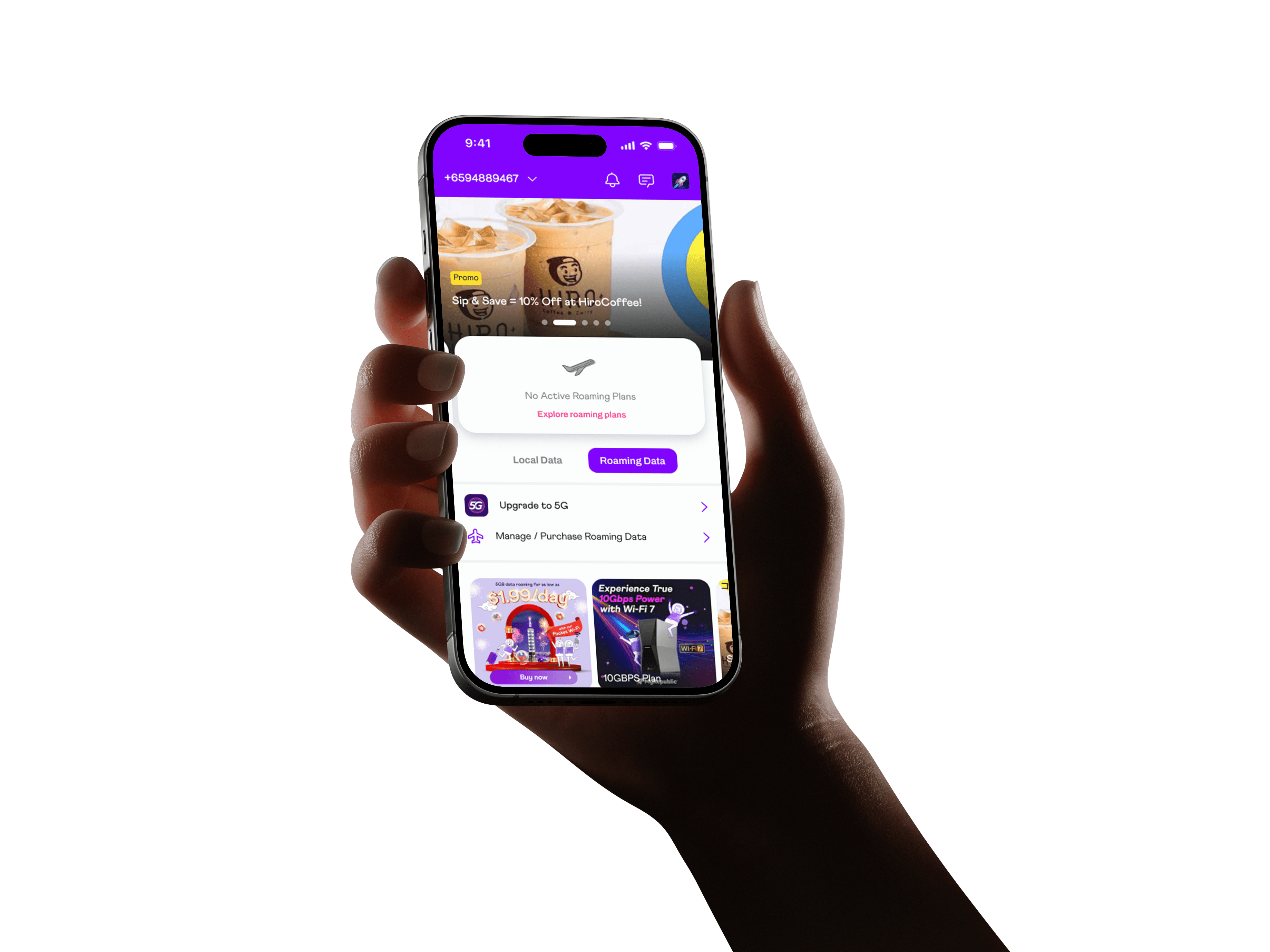
02
Find the perfect plan
for you
03
Customize Your Plan
& Purchase
Post-Purchase
Journey
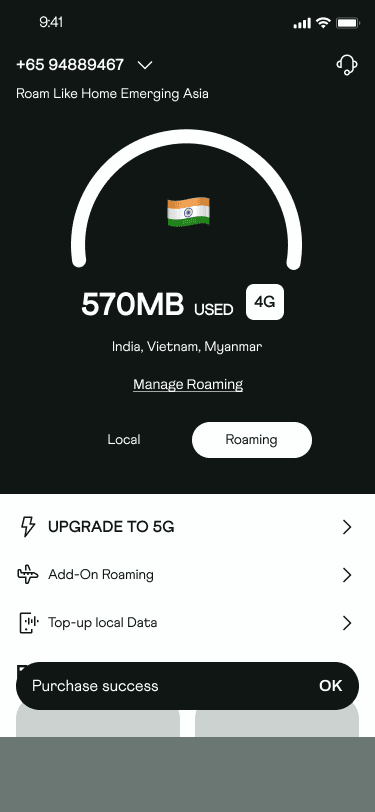
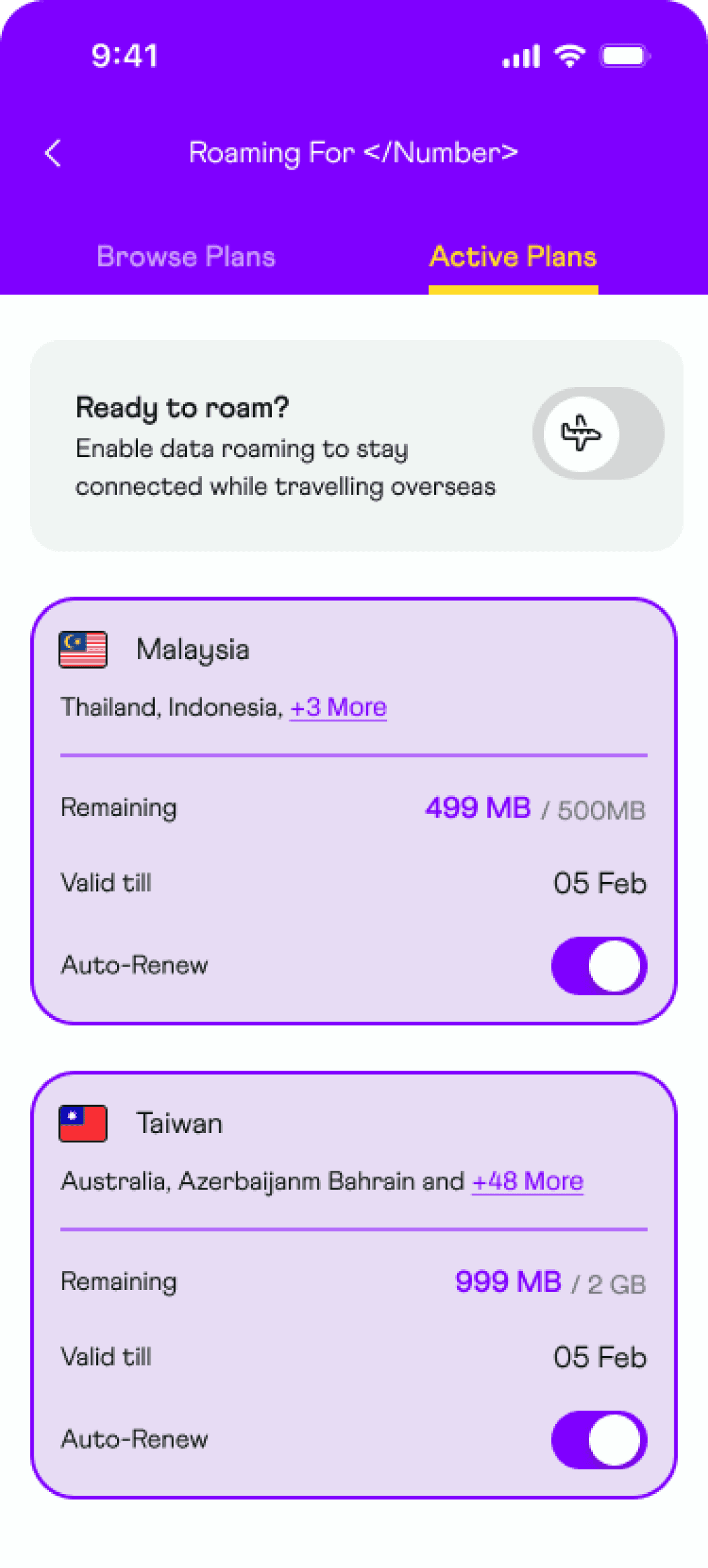
We wanted to provide a way for customers to manage their roaming plans post-purchase and connect to the right overseas service provider post-purchase. This is why we created the active plans page and the “no internet connection page.”
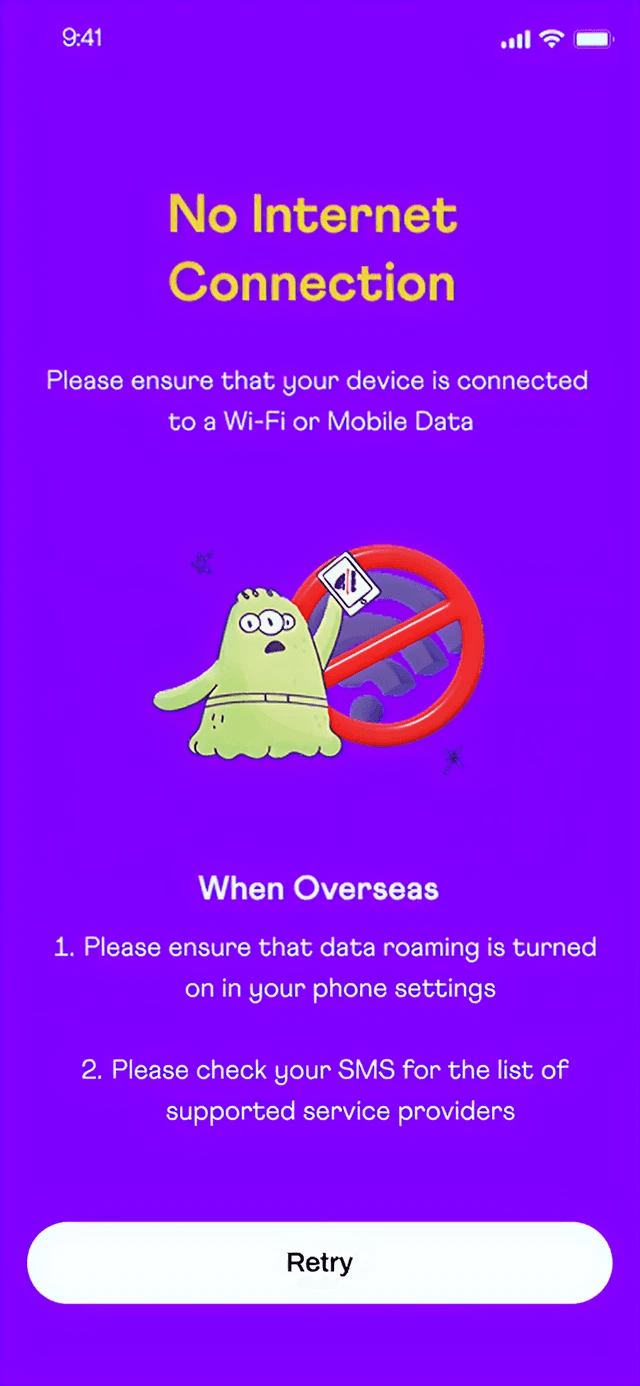
MyRepublic’s Travel eSIM introduction
Impact
INCREASED CONVERSION RATE
13%
TRAVEL eSIM & POWI PURCHASES
4,000+
MONTH-ON-MONTH ESIM GROWTH
56%
REFLECTIONS
The third-party redirect was the right call for speed, but I'd fight harder for drop-off instrumentation on the handoff — we never measured how many users we lost between our app and the provider's checkout, which is exactly where I'd expect leakage. I'd also revisit the cannibalization signal from testing: price-sensitive users choosing eSIM over native roaming was a margin question we surfaced but didn't fully model before launch.
Final Implementation
02
02
How does our roaming plans compare to the market?
We launched both products, with MyRepublic redirecting users from our app to the third-party provider's site. Product cards, pricing tiers, and in-app listings were designed to make the value proposition scannable in one glance: network type, daily data, minimum duration, from-price.
02
02
3-step purchase journey
To improve conversion, we want to design a journey that is intuitive and as short as possible. This means make the entrance on the home screen as clear as possible while following the customer’s expected journey of → Searching by country, → viewing available plans, → checking out.
02
02
Post purchase journey
We wanted to provide a way for customers to manage their roaming plans post-purchase and connect to the right overseas service provider post-purchase. This is why we created the active plans page and the “no internet connection page.”
02
02
Impact
We wanted to provide a way for customers to manage their roaming plans post-purchase and connect to the right overseas service provider post-purchase. This is why we created the active plans page and the “no internet connection page.”
View More
Projects
Continue Scrolling

Components • Style Guides
MyRepublic Design System


Components • Style Guides
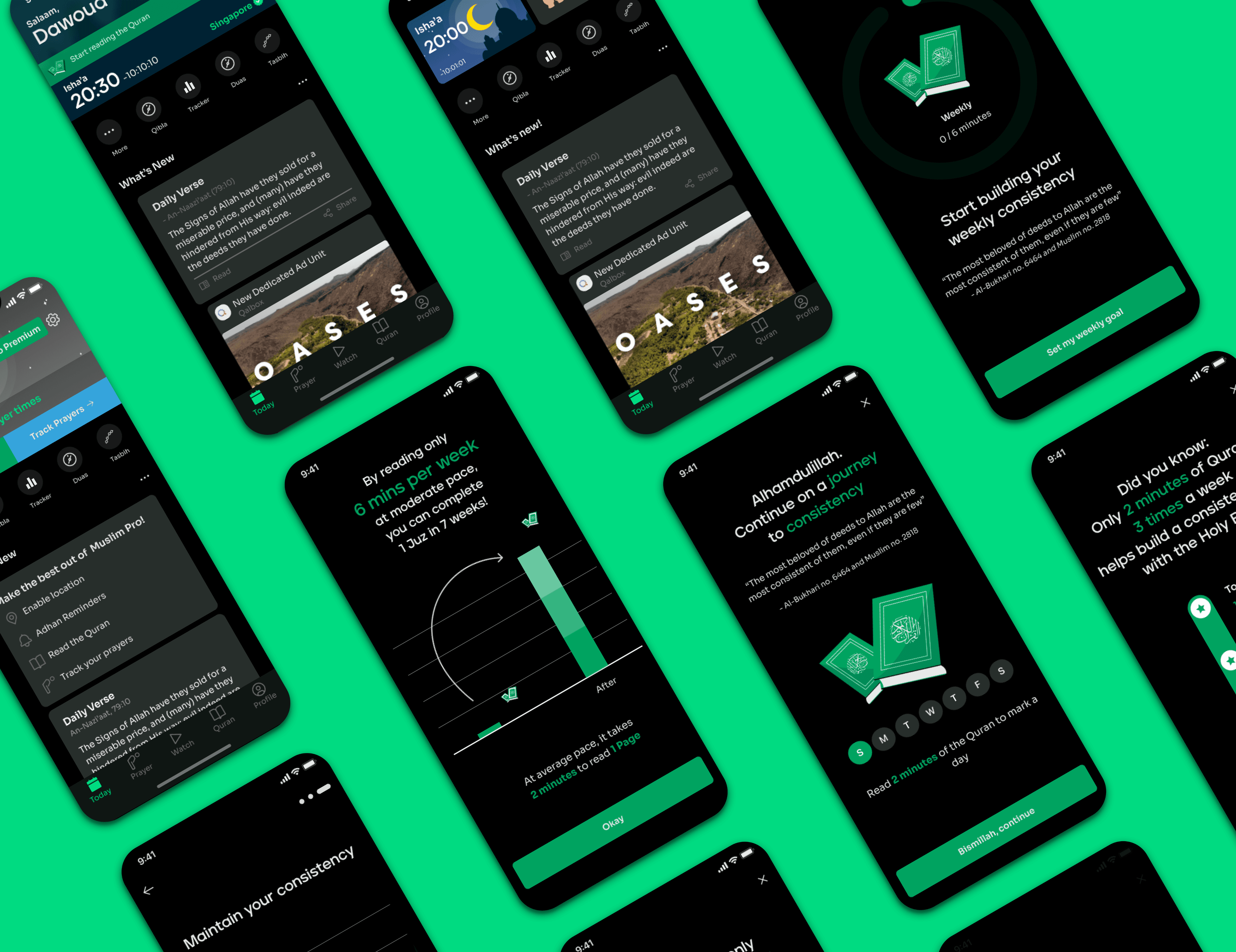
Muslim Pro - Design System
Project Info
MyRepublic wanted to revamp its roaming products and the in-app purchase experience to drive conversion. The revamp introduced four new categories — 24-hour, 7-day, 30-day, and pay-per-use packages.
The company was also weighing whether to introduce Travel eSIM and Pocket WiFi — but demand for these products was unvalidated. My job was to answer both questions: fix the journey, and find out whether eSIM was worth launching at all.
My Role
01
01
Researcher
Identify what are the key criterias for the AHA moment. Identify blockers to the AHA moment.
02
02
Designer
Re-design the onboarding flow.
Presenting and handing over design files.